Strengthening airport and seaport preparedness through partnerships with Earth Intelligence
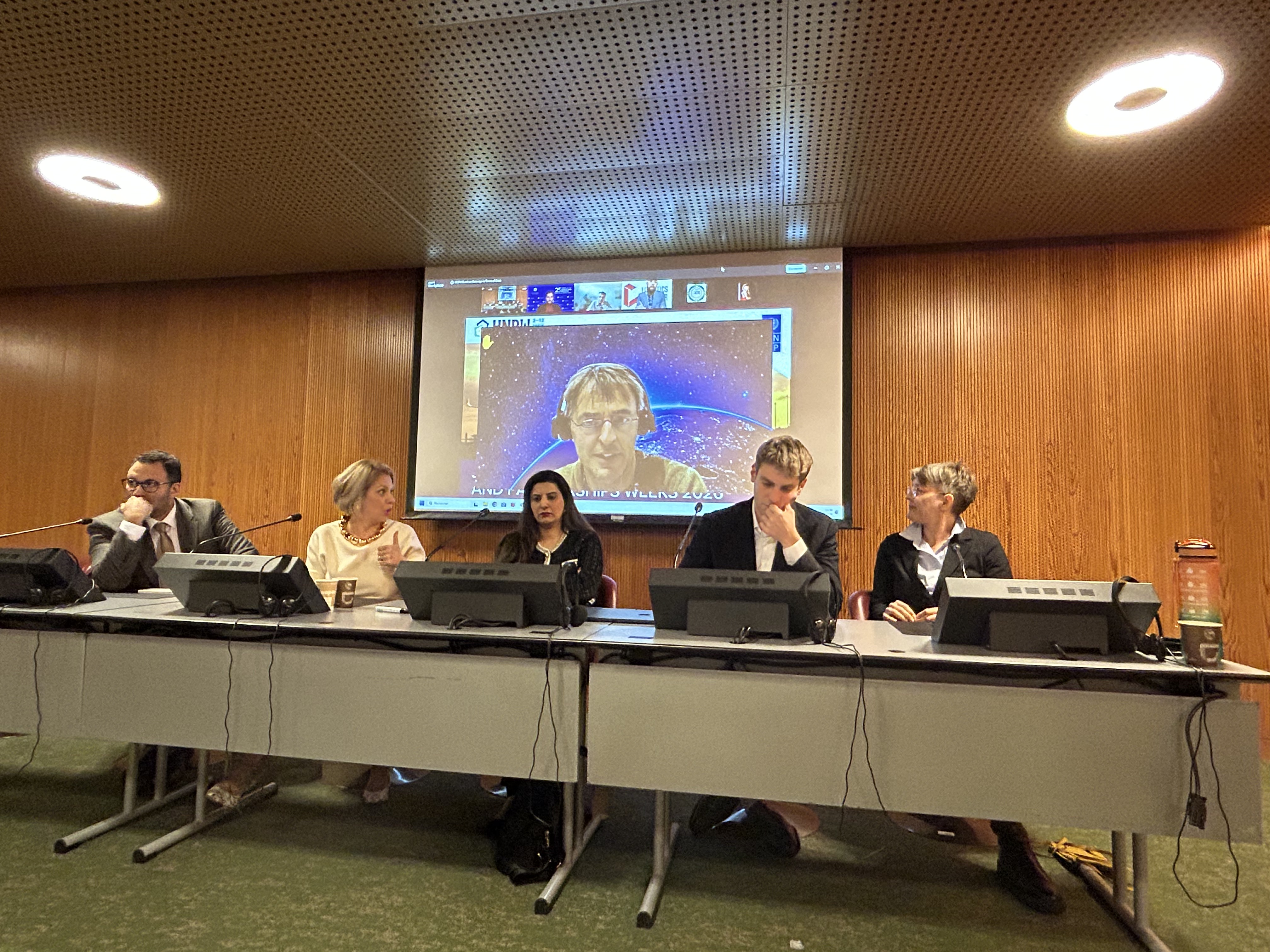
I had the honour of representing the GEO Human Planet Initiative (HPI) and the European Commission’s Joint Research Centre (JRC) together with my colleague, Marzia Santini at the Humanitarian Networks and Partnerships Weeks (HNPW) 2026 event organised by the United Nations Development Programme (UNDP), a key partner of GEO. The session on “Resilient Gateways in Times of Crisis” brought timely attention to how partnerships and Earth intelligence can enhance preparedness at airports and seaports – essential lifelines including during crises.
Preparedness beyond infrastructure
Recent disruptions affecting global air transport have highlighted how quickly pressure can build at critical points of entry. As discussed during the session, airports and seaports enable the rapid movement of humanitarian personnel and supplies, yet sudden surges, infrastructure damage and coordination gaps can create bottlenecks that delay life-saving assistance.
The event brought together governments, humanitarian actors and private sector representatives to explore how partnerships can address these challenges. Examples such as the UNDP–DHL Get Airports Ready for Disaster (GARD) initiative were discussed as part of the broader conversation on how collaborative models can strengthen operational readiness and national resilience.
Connecting Earth Intelligence with decision-making
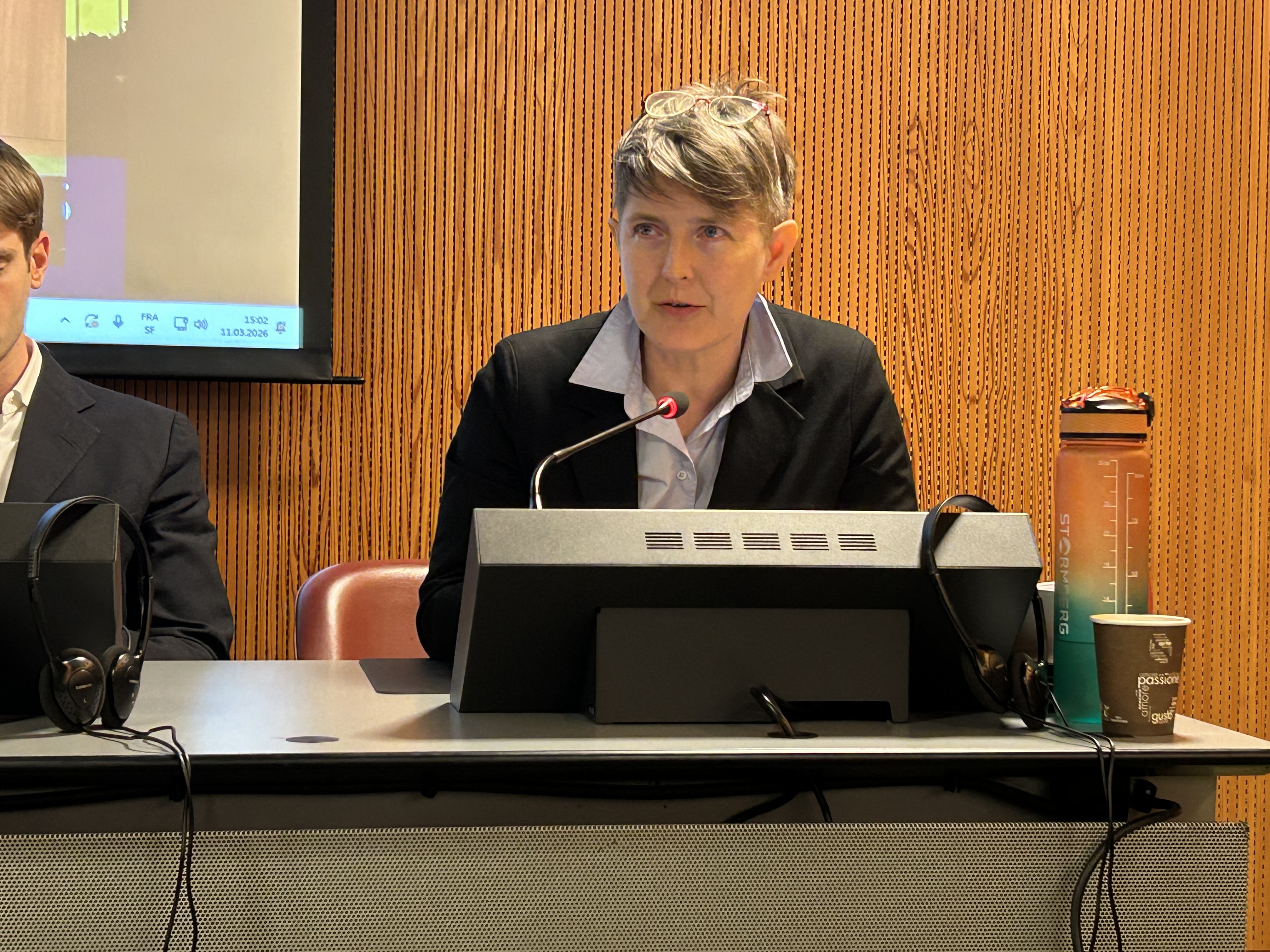
My colleague, Marzia, speaking in person, reflected on the importance of strengthening collaboration between the scientific community and policymakers. Drawing on her work at the JRC and the European Crisis Management Laboratory, she emphasised that Earth observation and Earth Intelligence can support more timely, evidence-based decisions, particularly when integrated into operational workflows for risk assessment and crisis response.
From my side, joining online, I highlighted how global datasets can complement these efforts. The Global Human Settlement Layer (GHSL) of the GEO HPI provides consistent, global information on population distribution and built-up areas. It is now produced operationally as part of the Copernicus Emergency Management Service (EMS). When combined with operational data from airports and seaports, such information can help anticipate bottlenecks, identify exposed populations, and support more targeted response planning.
Looking ahead: towards anticipatory, data-driven preparedness
The discussion underscored a shared direction of travel: moving from reactive to anticipatory approaches. Strengthening resilience at critical gateways will require not only investments in infrastructure but also sustained partnerships and better integration of data into decision-making.
By combining Earth intelligence with operational expertise and cross-sector collaboration, we can help ensure that airports and seaports remain functional under pressure – and that humanitarian response is faster, more coordinated, and more effective when it matters most.
Also see other GEO blogs on HNPW 2026: summary blog of GEO-REAP session and a youth blog on the session.