What are the risks of fragmented ecosystem data?
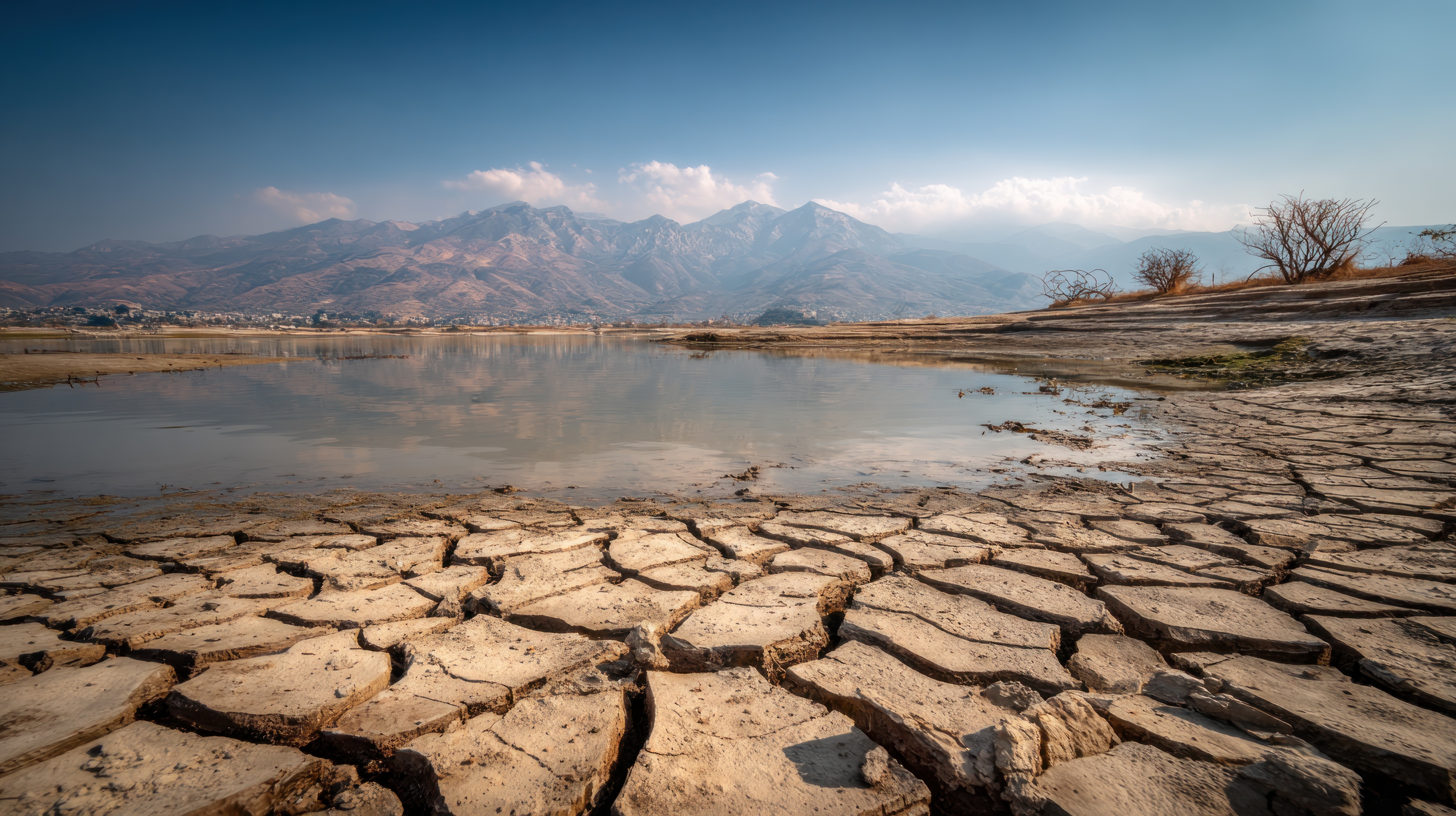
When sharing ecosystem data isn’t the norm, the world is left with fragmented, expensive, unverifiable data. This lack of cohesiveness is both a business risk and an environmental one. It leads to decisions being made based on inconsistent data while Earth’s ecosystems ultimately pay the price.
The 2030 deadline is closer than we think
We are nearing 2030 and the moment of reckoning for the Global Biodiversity Framework, the Paris Agreement and the Sustainable Development Goals. By then, checking the state of Earth’s ecosystems should be as easy as checking the weather. Decisions about where to invest, protect and restore should be ones we can make without thinking twice, and without unnecessary barriers.
Ahead of this year’s 17th meeting of the Conference of the Parties (COP 17) to the Convention on Biological Diversity (CBD) in Armenia, the long-growing conversation on corporate disclosures, business actions and country reporting on Global Biodiversity Framework commitments is reaching a critical juncture.
What fragmented data is costing businesses
Businesses increasingly need to understand, disclose and act on their relationship with nature. But doing so is complex, expensive and time-consuming. Even well-intentioned action risks being misaligned and difficult to verify.
We are moving in the right direction. More than 600 organisations around the world have publicly committed to nature-related reporting aligned to the Taskforce on Nature-related Financial Disclosures (TNFD) recommendations, and a broad range of organisations are currently engaged in the Nature Positive Initiative (NPI) State of Nature Metrics.
The data is available but currently fragmented. Consultations led by NPI have revealed that businesses find ecosystem data inconsistent, hard to act on and disconnected from decision-making and workflows. The recently adopted IPBES Business and Biodiversity Assessment reinforces this, finding that many spatial ecosystem monitoring methodologies currently fall into a "use with caution" category for business applications. It highlights persistent gaps in knowledge, monitoring and indicators that limit understanding of business impacts and dependencies on biodiversity. The result is a private sector without a consistent foundation to assess risk, track impact and act at scale.
Meanwhile, governments are increasingly seeking the data that businesses are already gathering on the ground. If that data were brought together into one common, shared, public infrastructure countries struggling with data gaps could use what businesses are already collecting. The private sector would also benefit from a shared foundation for understanding ecosystem conditions wherever they want to invest or operate.
With everyone looking at the same data through the same framework, we create the conditions for real alignment - between policy, investment and action - that fragmented data makes impossible.
The Global Ecosystems Atlas: A shared foundation for action
The solution we are building is the Global Ecosystems Atlas. A tool that harmonises ecosystem data by standardising existing national and corporate data inputs, alongside AI-assisted mapping, to the International Union for Conservation of Nature Global Ecosystem Typology.
This year, the Global Ecosystems Atlas will map the world's ecosystems into 110 Ecosystem Functional Groups, with finer levels of granularity to come in future phases. This approach recognises that ecosystems are not all the same and should not be treated the same so that business decisions can be grounded in the real state of ecosystems.
Businesses have an opportunity to become early adopters of the Global Ecosystems Atlas. This will enable them to help shape how ecosystem intelligence is used in corporate decision-making. In doing so, they strengthen their own nature-related reporting and position themselves ahead of regulatory and investor expectations. The technology is almost there. Within three to four years, earth observation and geospatial capability will not be a constraint. So, what we need is the human action to make this a reality.
The next stop for the Global Ecosystems Atlas will be the Nature Positive Summit in July. There, we will showcase our solution for the private sector community to generate support for the movement to make ecosystem data open and consistent.
Ready to contribute your data and help build the global standard for ecosystem intelligence? Get in touch: ecosystems.atlas@geosec.org