Turning ocean data into decisions that matter
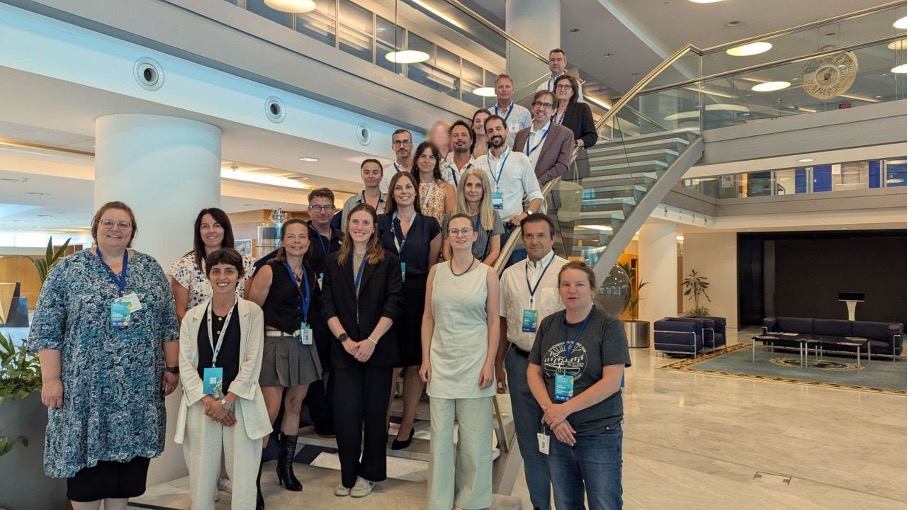
Europe already has an impressive marine and coastal observation landscape. The challenge is no longer simply producing more data. It is making sure that the knowledge, tools, and services we already have connect with each other, reach the people who need them, and continue delivering value beyond individual projects. This was the clearest message emerging from the first EuroGEO Marine and Coastal Action Group Workshop.
Held in Geneva in July 2026, the workshop brought together 29 participants representing 24 European-funded projects, programmes and initiatives. It also marked an important transition: from establishing the Marine and Coastal Action Group in the EuroGEO Implementation Plan to defining what this community can achieve together.
The Action Group, currently co-chaired by GEO Blue Planet’s Executive Director Audrey Hasson and GEO AquaWatch Director Ghada El Serafy (Deltares), has a unique opportunity to connect Europe's existing strong observing systems, research projects, operational services, and digital infrastructures. Initially conceived at the October 2025 EuroGEO Meeting, this workshop was further developed in strategic implementation of EuroGEO objectives. The Action Group's added value is to identify important gaps in these capacities and help successful research and innovation move toward sustainability. An added benefit is the continued collaboration between Conveners GEO AquaWatch and GEO BluePlanet to invite diverse but relevant subject matter experts and the user community in Europe’s coastal and ocean realms to co-design solutions for the benefit of society.
Six priorities for better use of ocean information
The workshop discussions reinforced this point. Participants consistently returned to six connected priorities:
- Strengthen coordination across projects, services, research infrastructures, and user communities.
- Create clearer pathways from research results to long-term operational services.
- Improve interoperability between existing systems, standards, data, and platforms.
- Involve users more effectively in the design of products and services.
- Strengthen the links between scientific evidence, policy, operational decisions, and practical action.
- Establish clearer governance, operational ownership, long-term stewardship, and sustainable financing.
These priorities are interconnected. Data cannot support decisions if systems do not work together, users are involved too late, or useful services disappear when project funding ends.
One particularly important lesson learned was that providing tangible solutions is not something we can tackle at the end of a project. If we want to create effective and long-term services, questions of ownership, users, institutional responsibility, and funding need to be considered from the beginning. Equally, involving users is not simply about consultation. It means understanding the decisions they face and designing information around those needs.
This is consistent with the EuroGEO Implementation Plan, which calls on the Action Group to bridge the gap between data generation, information, and knowledge, while also assisting successful European activities in contributing to the larger GEO Work Program.
What happens next
The next step is to turn these priorities into the 2026–2027 Action Group Roadmap. This is where the real value of the group will be tested: not by how many new activities it creates, but by how effectively it connects existing strengths, helps promising solutions become sustainable, and turns marine and coastal knowledge into decisions that benefit communities and the ocean.
For more information about the EuroGEO Marine and Coastal Action Group, please visit their webpage EuroGEO Marine & Coastal Action Group - GEO Blue Planet