How Africa uses Earth Intelligence to improve air quality: 12 projects to know
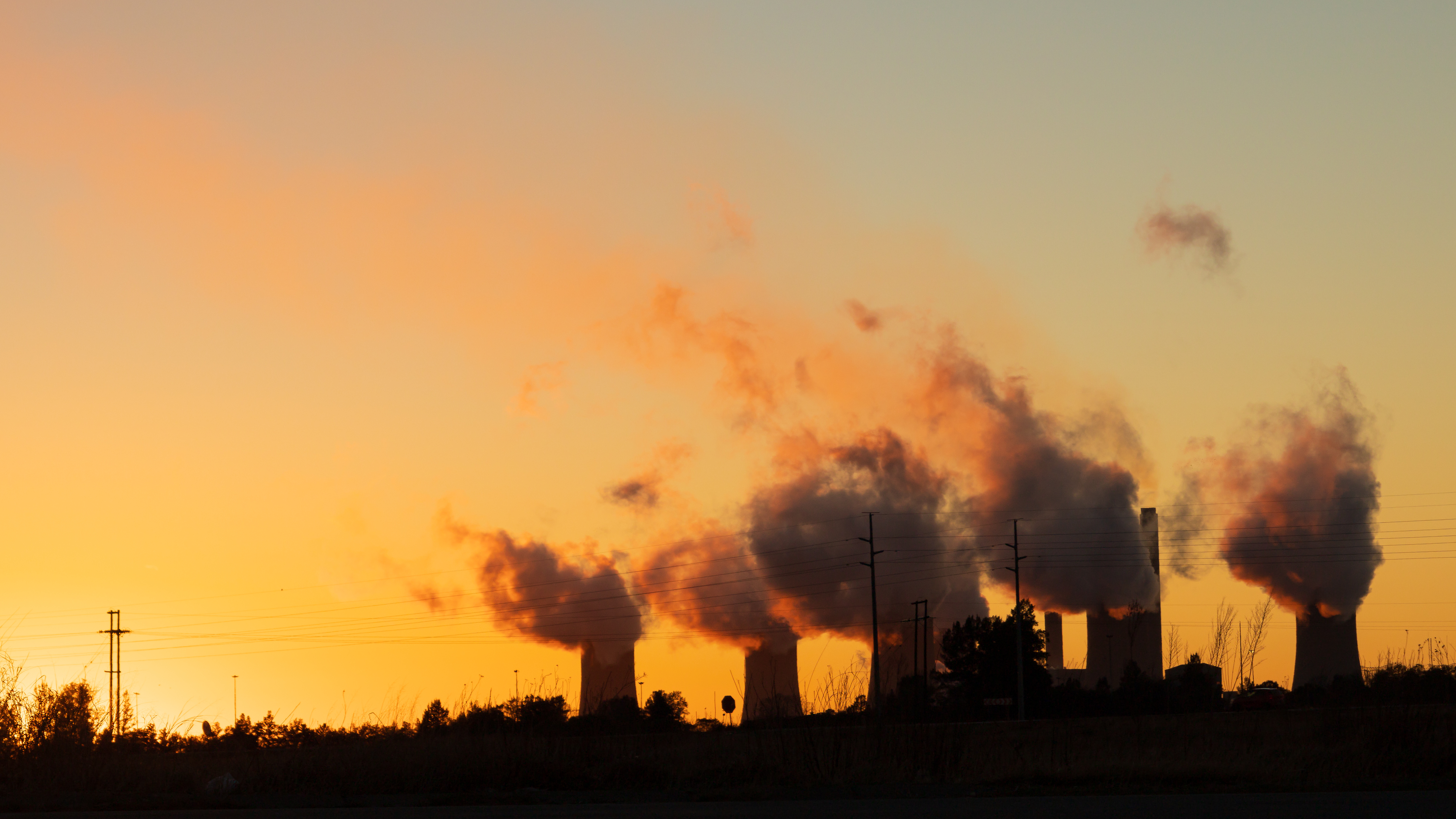
Earth Intelligence is transforming how we understand and respond to health risks across Africa. Organised by the GEO Health Community of Practice (CoP) and AfriGEO, the third annual Special Edition: Focus on AfriGEO webinar showcased 23 projects redefining the way complex health risks are managed using satellite technology, geospatial data, artificial intelligence and large learning models.
The first session focused on air quality challenges, from monitoring wildfire plumes to examining urban air pollution, with 12 innovative projects paving the way.
Impactful solutions like these will be showcased at the upcoming GEO Symposium in May, when researchers, industry leaders, policymakers and and innovators from around the world will galvanise efforts to invest in Earth Intelligence and implement GEO's Post-2025 Strategy.
Learn more about these projects on the GEO Health CoP website.
Enhancing access to reliable, transparent air quality information across Africa
Researchers have developed the African Air Quality Explorer, an open, cloud-based platform that integrates NASA satellite observations, ground-based data, and modeling capabilities to provide historical, near-real-time air-quality forecasts.
Presented by Junhyeon Seo, NASA GSFC and Morgan State University, USA
Empowering geohealth in Africa with open air quality data
OpenAQ is the world’s largest open-source aggregator and harmoniser of ground-level air quality data, with data available in more than 30 African countries.
Presented by Colleen Rosales, OpenAQ, USA
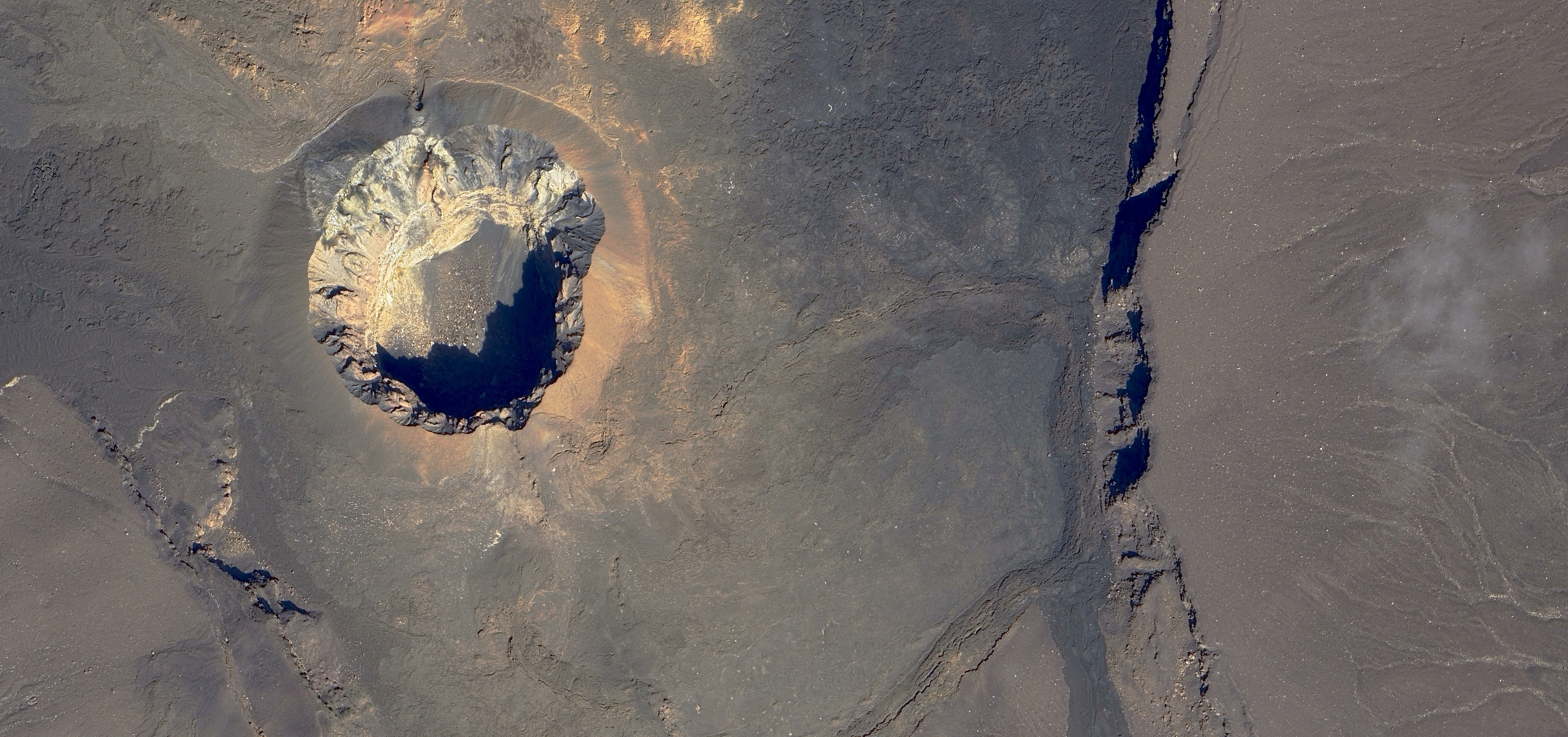
Monitoring volcanic eruptions and assessing air quality impacts in Ethiopia
Researchers use FengYun satellite observations to support volcanic hazard monitoring of the Hayli Gubbi volcano in Ethiopia to support environmental emergency response.
Presented by Lin Zhu, China Meteorological Administration, China
Understanding short-term exposure of wildfire smoke and and health risks in Africa
As part of the GEO Work Programme, the GEO Wildfire-Health Nexus team has a number of ongoing activities and pilot initiatives in GEO member countries, including Senegal.
Prepared by Yuqi Ba, Tsinghua University, China
Using digital twin GIS for urban wildfire management in Kenya
Researchers incorporate virtual software capabilities of 3D technologies in geospatial digital twins to tailor disaster response decisions related to wildfire management in ranches, forests and peri-urban areas in Kenya.
Prepared by Alexander Opicho, Regional Center for Mapping of Resource for Development, Kenya
Monitoring desert dust storms in undersampled desert areas in Africa
Using data fusion remote sensing and assimilation modelling techniques, the EU-funded CiROCCO Project advances desert dust storm event forecasting capabilities to support early warning systems in four pilot sites in Europe and Africa.
Prepared by Chrysoula Papathanasiou, Institute of Communication and Computer Systems, Greece

Mitigating urban heat and air pollution in Senegal
By integrating atmospheric models with a synthetic digital twin of the population, researchers have generated household-level health risk indices for Dakar, Senegal, providing actionable insights for resilient city planning and public health protection.
Prepared by Antonio Correa, Skymantics, USA
A data hub for urban health and air quality in Africa
The GEO Human Planet Initiative promotes harmonised geospatial data on urban health and air quality in Africa, with input from the Emissions Database for Global Atmospheric Research, advancing global understanding of urbanisation and human-environment interactions.
Presented by Sara Ciarlantin, European Commission, Italy
Participatory mapping to examine urban air pollution in West Africa
The Eco-Smart Cities project team integrates community-led OpenStreetMap mapping (with volunteered geographic information) and data from low-cost air quality sensors and Sentinel-5P to pinpoint air pollution hotspots and assess community vulnerability in West Africa.
Presented by Michael Otieno Osunga, Humanitarian OpenStreetMap Team, Open Mapping Hub, West and Northern Africa, Kenya
Understanding meteorological influences on urban air pollution in Nigeria
Using measurements from Miri Air monitoring devices, researchers have mapped the complex mix of air pollution sources across Lagos, finding that intermittent emissions from traffic, generator use and waste burning are the dominant drivers of the city's highly variable air quality.
Presented by Ibiyinka Amokeodo, Climate in Africa, Nigeria

Examining air pollution exposures for outdoor occupations in West Africa
Together with local partners, researchers are using satellite data and low-cost sensors to measure air pollution levels faced by outdoor workers across West Africa, with the aim
Presented by Honoré Dingam Rondouba, SANT SAS / Dr TOX – Environmental Health and Toxicology Initiative, Senegal
Enabling a road map to promote sustainable quarry activities in Nigeria
Integrating data from satellites, field-based GPS, portable gas monitoring and socio-economic surveys, researchers have developed a roadmap to support real-time air-quality surveillance, regulatory enforcement, sustainable quarrying best practices and targeted ecosystem restoration in Bwari Area Council, FCT-Abuja, Nigeria.
Presented by Olaide Monsor Aderoju, National Space Research and Development Agency, Nigeria
Data-driven approaches that incorporate Earth science data and technology with ground-based observations are essential to address complex public health and environmental risks.
Find out more on the GEO Health CoP website.