Four Regions, One GEO: another big year for Regional GEOs in 2025

2025 was a standout year for GEO’s four Regional GEOs, each bringing together its community to turn Earth observation into real-world impact, and showing just how powerful regional collaboration can be when it’s connected to a global vision.
The GEO Secretariat’s support helped ensure coherence with the GEO Work Programme, alignment with GEO governance and visibility beyond the regions.
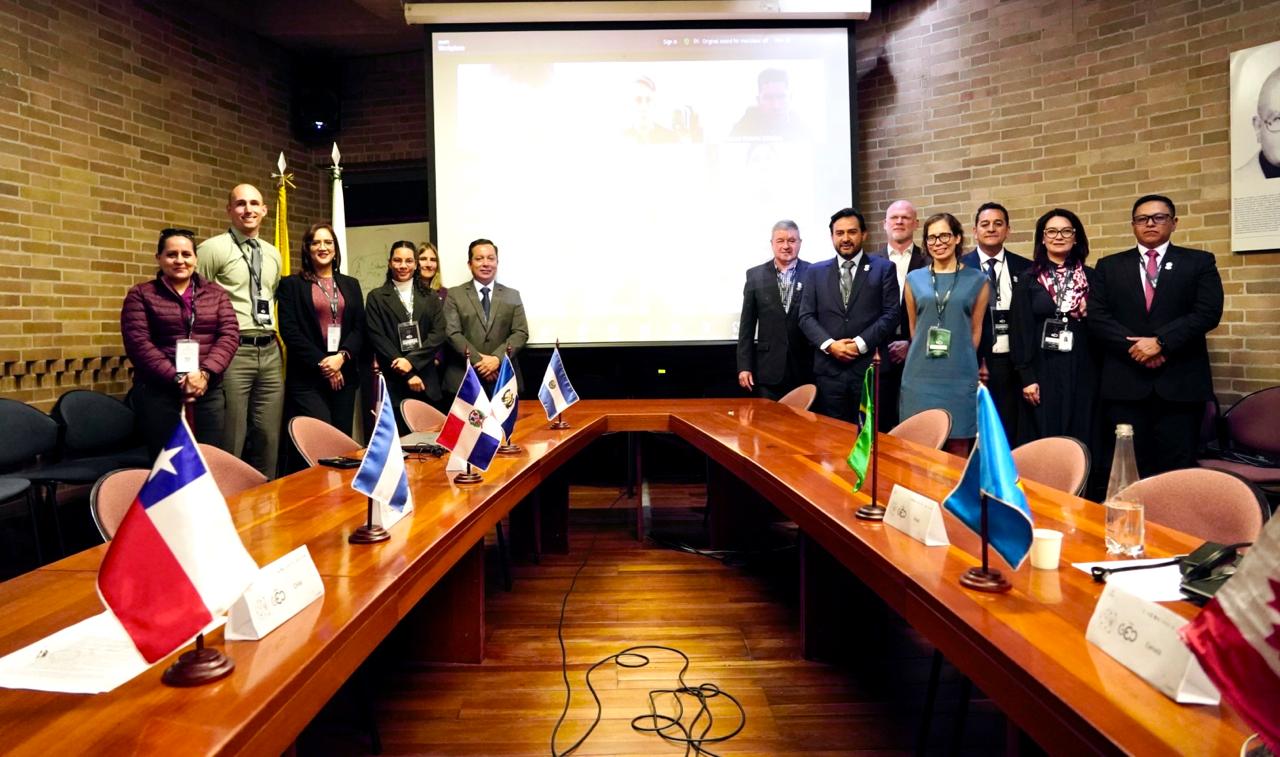
AmeriGEO Week 2025: Earth Intelligence for a Sustainable Future, hosted in Colombia in August, brought together participants from across the Americas to explore shared challenges from disaster resilience to food security, engaging more than 1,000 participants in a dynamic hybrid format.
The week hosted over 30 academic and technical sessions that addressed topics related to the management and use of geospatial information, its integration in decision-making and regional collaborations. Governance was strengthened through the election of new Americas Caucus co-chairs – Colombia and Costa Rica, with Paraguay and the United States reconfirmed – alongside the endorsement of an updated Caucus Terms of Reference, a new Regional Stakeholder Engagement Plan, and the endorsement of a task team to update and further align regional priorities.
Looking ahead, AmeriGEO Week 2026 will be held in Guatemala.
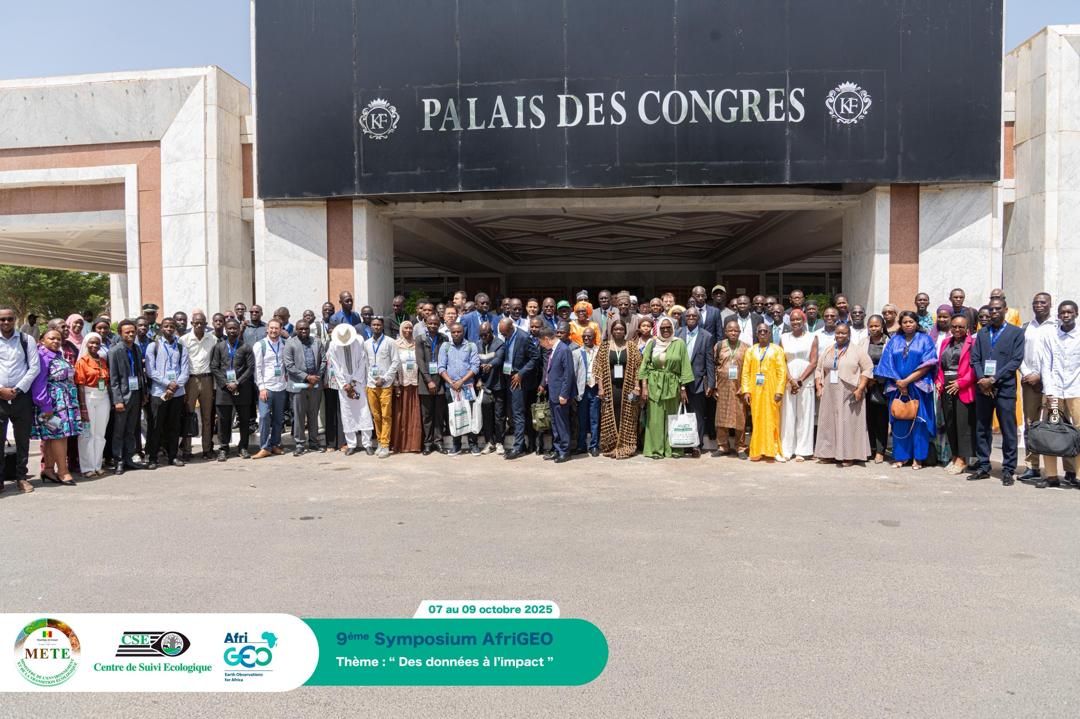
The AfriGEO Symposium 2025, held in Senegal from 6–9 October, brought together more than 300 participants, 22 African and 9 non-African countries. The event highlighted Earth observation as core digital infrastructure for Africa’s development, with strong emphasis on open data, knowledge-sharing and capacity building as enablers for scaling innovation.
A major milestone was the launch of the AfriGEO Youth Community of Practice, strengthening youth engagement across the region. AfriGEO governance was strengthened with Kenya elected as a new co-chair, joining South Africa, Senegal and Nigeria. Nigeria was also announced as host of the AfriGEO Symposium 2026.
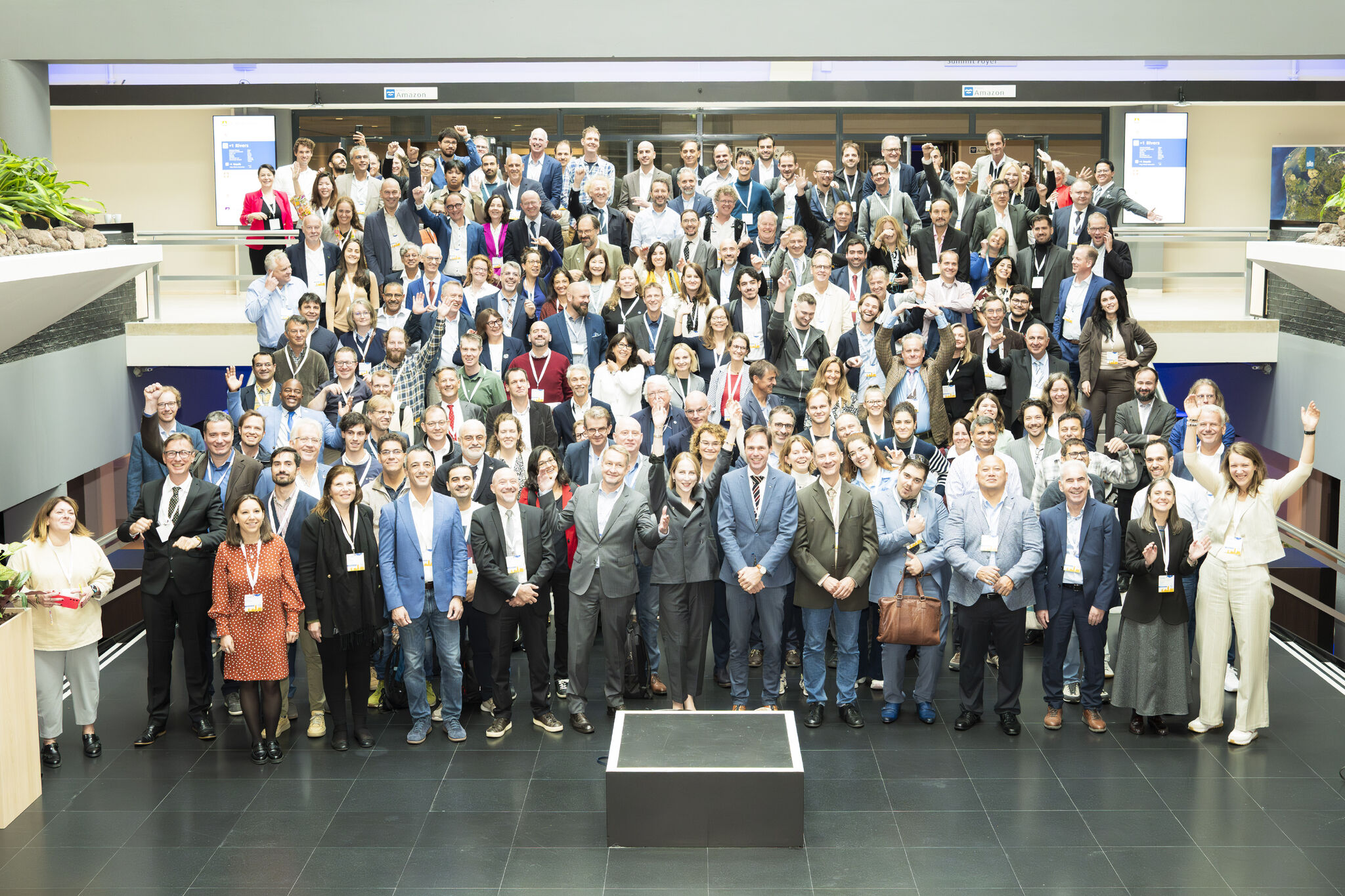
The EuroGEO Workshop 2025 held in the Netherlands from 13–15 October, featured a rich programme and number of key outcomes driven by the more than 300 participants. This included the development of a strategic vision for AI and Earth Intelligence in Europe, progress on research and innovation for the downstream Earth observation sector in close coordination with Copernicus, and the mobilisation of nine EuroGEO Action Groups, alongside strong engagement with the start-up community.
The meeting also marked the launch of the Netherlands National GEO, strengthening national coordination, while the updated EuroGEO Implementation Plan will help inform the European Commission’s strategic research and innovation agenda.
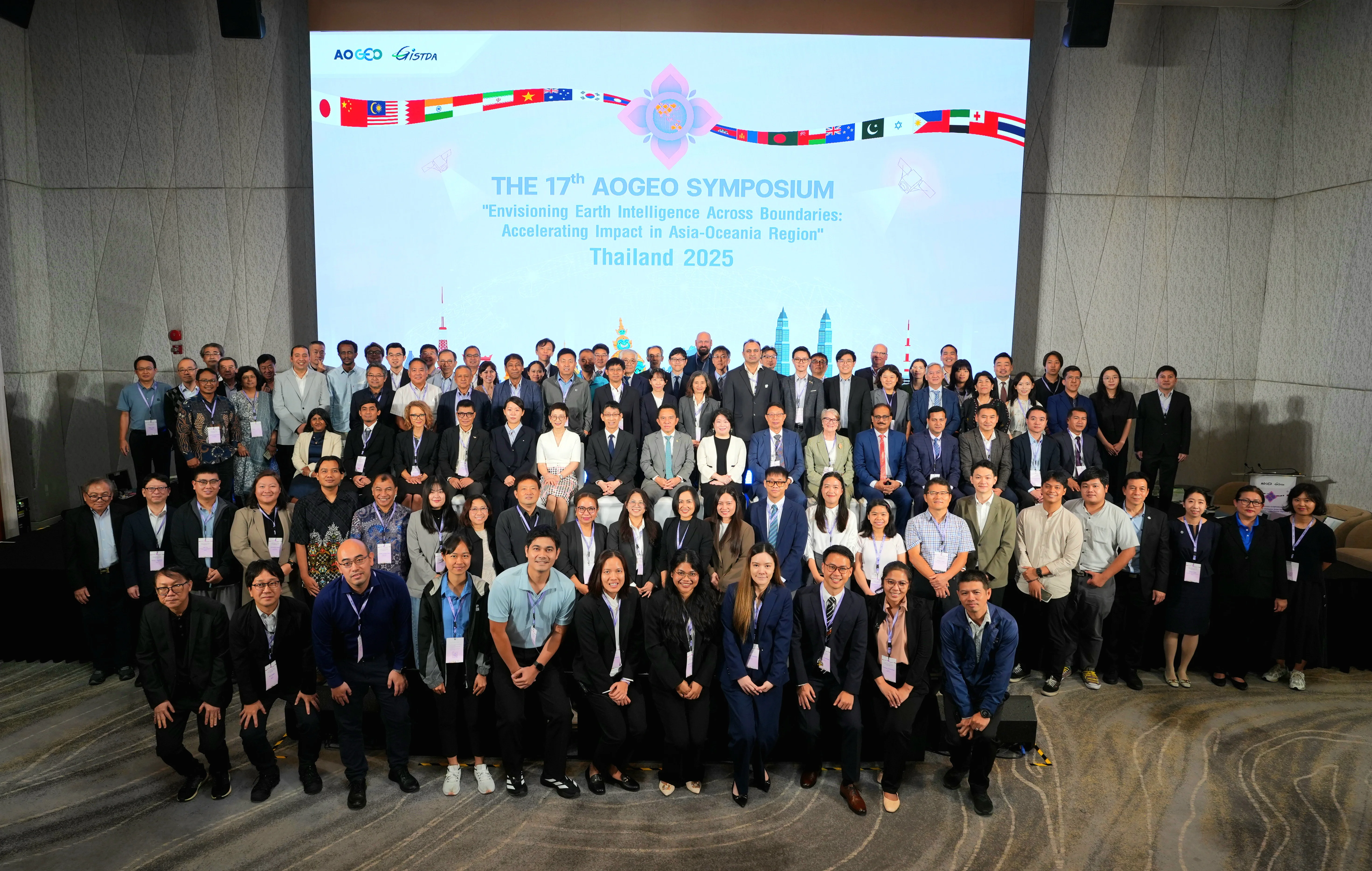
The AOGEO Symposium 2025, held in Thailand from 15–17 October, featured 300 participants from across Asia and Oceania. 12 countries reported on progress in Earth observation applications, including land cover, disaster risk reduction and agriculture. Special sessions highlighted the use of Earth observations in addressing inter-sectoral issues: sustainable rice cultivation, water management and greenhouse gas emission.
Task groups identified shared challenges around data accuracy, interoperability and limited in-situ observations. The Symposium concluded with the adoption of the 2025 AOGEO Statement, reaffirming the central role of Earth intelligence in supporting evidence-based decision-making across the region. Looking ahead, China will host the 2026 AOGEO Workshop, followed by the 2026 AOGEO Symposium in Japan.
Four regions, diverse contexts – but one shared goal: delivering Earth Intelligence for All.