Earth Science Applications Highlighting Health Challenges in the Asia-Oceania Region
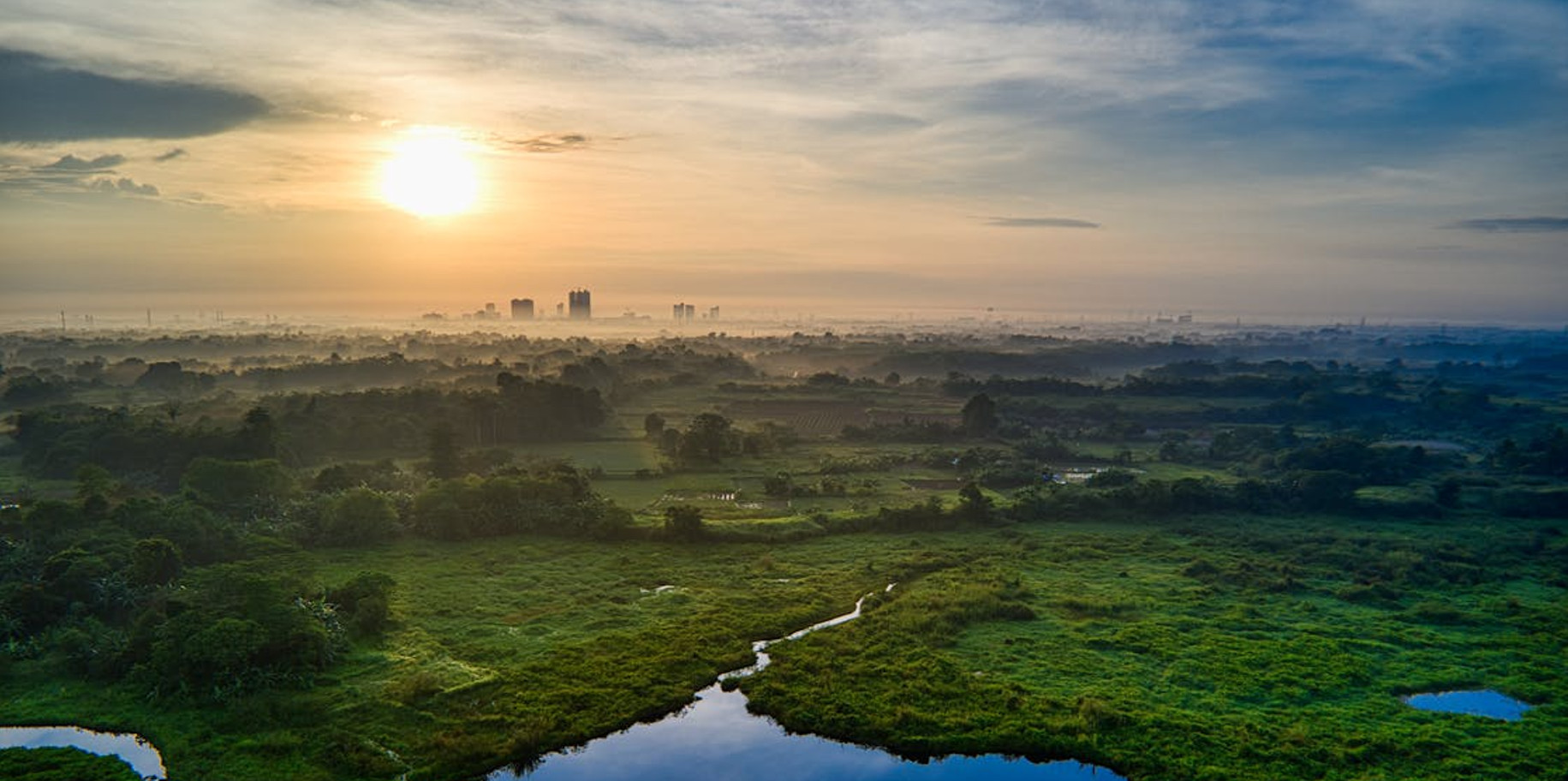
Earth Intelligence is transforming how we understand and respond to health risks across geographic regions, such as forecasting disease outbreaks, tracking wildlife population migration patterns, and advancing accessible health services. As Asia is the world’s largest continent and Oceania spans over 10,000 islands, data-driven approaches that incorporate Earth observations and multidisciplinary health approaches are essential to address the full geographic scope and complex public health and environmental risks in the Asia-Oceania region. Organized by the GEO Health Community of Practice (CoP) and the Asia-Oceania GEO (AOGEO), the first-ever Special Edition: Focus on AOGEO webinar showcased nine innovative projects addressing environmental health approaches, agricultural and food security monitoring, and disease risk forecasting.
Life Dee: Earth Observation-Driven GeoAI Platform for Environmental Health Monitoring and Healthcare Access in Thailand
Life Dee is an Earth observation-driven GeoAI platform, co-developed by the Geo-Informatics and Space Technology Development Agency (GISTDA) and the Thailand Ministry of Public Health, that uses machine learning for environmental risk assessment and disease pattern characterization, currently focusing on dengue and fine particulate matter (PM2.5), but expanding to include rabies, leptospirosis, and water-related illnesses, for targeted public health interventions and planning.
Presented by Jiratiwan Kruasilp, Geo-Informatics and Space Technology Development Agency, Thailand
AED Facility Spatial Pattern Analysis and Intelligent Configuration Optimization in the Asia-Pacific Region
Analyzing automated external defibrillator (AED) distribution across major Asia-Pacific cities, this study found significant disparities in coverage and availability, leading to the development of a two-stage spatial optimization framework to improve access to these critical health services.
Presented by Shaohua Wang, Aerospace Information Research Institute, Chinese Academy of Sciences, China
Health Risks and Increased Mortality Risks from Compound Extreme Weather Events in China
Epidemiological studies in China reveal that the increasing frequency and intensity of compound weather events, such as combined hot, cold, and hot-dry conditions, significantly elevate mortality risk, particularly among females, the elderly, and other at-risk groups, compared to independent weather events.
Presented by Guanhao He, School of Medicine, Jinan University, China
Towards a Unified Understanding of How Biodiversity Interacts with Human Health
The BIOHEALTH framework addresses the accelerating global biodiversity loss crisis by integrating our understanding of cross-cutting connections between biodiversity and human health to develop comprehensive solutions that build resilience against health risks.
Presented by Honghong Li, Global Economic Dynamics and the Biosphere, Royal Swedish Academy of Sciences, Sweden
Global Vegetation Pest and Disease Dynamic Remote Sensing Monitoring and Forecasting
Credit: Pexels
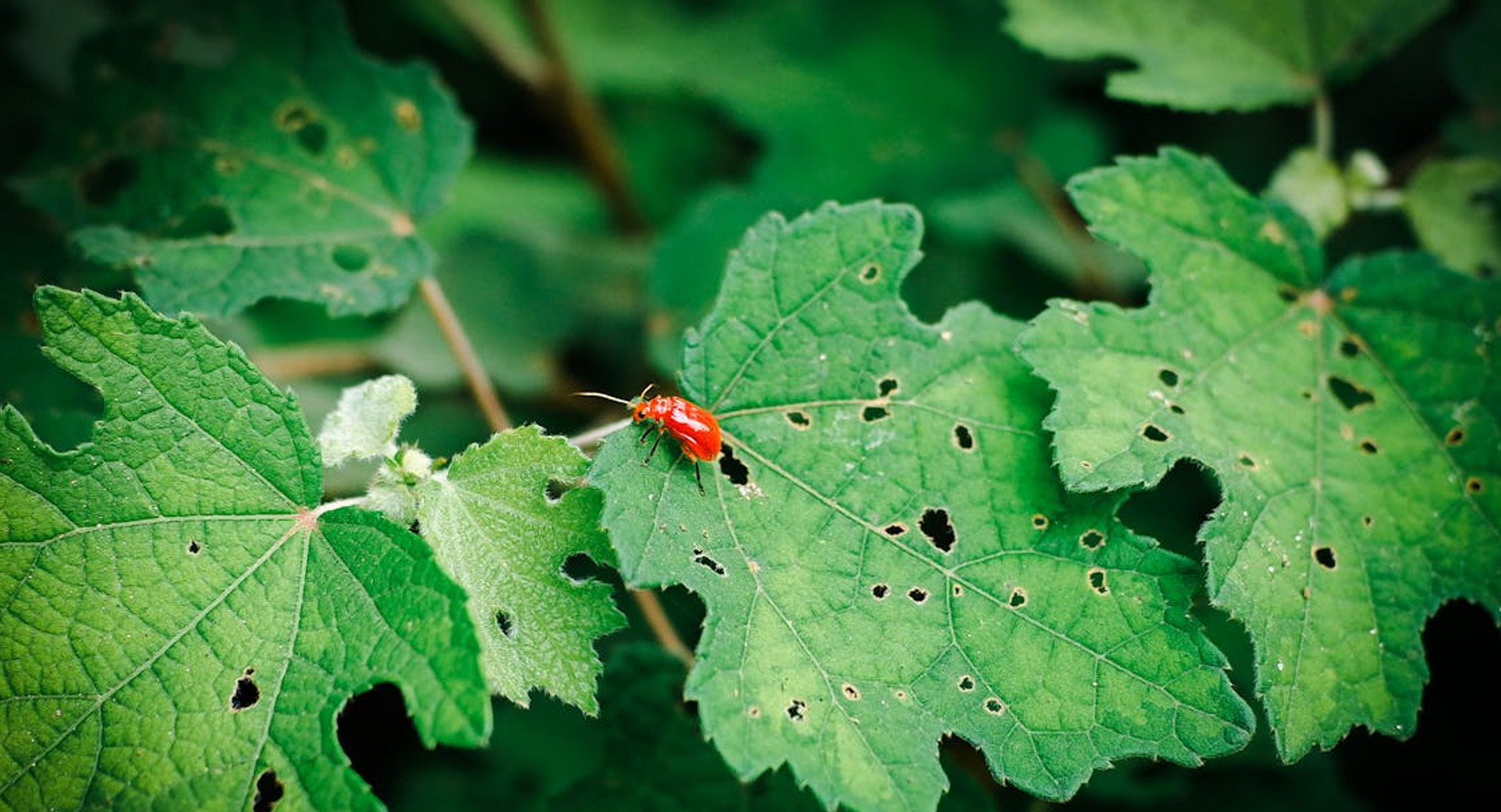
This project uses multi-source Earth observations and artificial intelligence to deliver essential early warning, monitoring maps, and risk assessments for major transboundary crop pests and diseases, such as the desert locust and rice planthopper, across Asia-Oceania, safeguarding regional food security and environmental health.
Presented by Wenjiang Huang, Aerospace Information Research Institute, Chinese Academy of Sciences, China
Zhejiang Province Major Migratory Pest Monitoring and Early Warning Platform
The Major Migratory Pest Monitoring and Early Warning Team at Xianghu Laboratory developed an advanced platform leveraging insect radar technology to provide real-time predictions of pest migration for early warning and environmentally friendly control, currently used to protect agriculture in Zhejiang Province and neighboring areas.
Presented by Dazhong Liu, Xianghu Laboratory, China
Mapping Global Avian Influenza Risk Patterns Through Waterbird Activity Entropy

Credit: Pexels
A new measure called Waterbird Activity Entropy (WAE) synthesizes the global distribution of 779 waterbird species to accurately pinpoint high-risk areas for avian influenza, revealing major surveillance needs, particularly in sub-Saharan Africa.
Presented by Yuzhe Li, Institute of Geographic Sciences and Natural Resources Research, Chinese Academy of Sciences, China
Dengue Emergence in China under Climate and Socioeconomic Change: From Ecological Hazard to Surveillance-Observed Invasion Risk
Synthesizing satellite and surveillance data, researchers reveal how local social and environmental factors determine where dengue’s ecological threat becomes an invasion risk, predicting that climate and socioeconomic shifts will push this risk further north and inland in China.
Presented by Zhe Zhao, Research Center for Eco-environmental Sciences, Chinese Academy of Sciences, China
The Amplification of Global Malaria Risk Under Climate Change
By merging decades of satellite and climate data, researchers conclude that extreme weather events significantly impact deforestation and farming practices in Southeast Asia, creating favorable habitat suitability for Anopheles mosquitoes for malaria and posing a hidden danger to areas with established malaria control programs.
Presented by Dong Chen, University of Maryland, College Park, United States
To broaden the scope of this global event, a session co-organized by the GEO Health CoP, AOGEO, and GEO colleagues at the 2026 GEO Symposium featured case studies highlighting the role of One Health in strengthening cross-cutting partnerships and data interoperability. Learn more about how you can become involved, contribute your expertise, and expand your professional networks in the GEO Health CoP.