.png)
Earth Intelligence for All
GEO connects governments, academia, organisations, civil society and the private sector to tackle global challenges through innovative solutions that harness the power of Earth Intelligence.
Our network fosters collaboration and equity, making data and services accessible to enhance sustainable development and environmental management in an era of exponential data growth and planetary-scale crises.
Unlock the Power of Earth Intelligence
Our planet, and the people who depend on it, face environmental challenges that are daunting not only in their quantity, but also in their increasing complexity. This includes climate change, biodiversity loss and pollution, land degradation and environmental disasters. Earth Intelligence can help decision makers plan and monitor interventions that contribute to the transformation of societal structures, policies, practices and mindsets to create harmony with nature.
Player loading...
Earth Intelligence in Action
As global challenges grow, GEO’s mission to protect our planet with Earth intelligence is crucial. Our Strategy emphasizes transformative solutions and intergenerational collaboration.
Read Our StrategyPlayer loading...
Our Unique Offer

GEO is governed by nations
Earth Intelligence plays a major role in achieving the Sustainable Development Goals (SDGs). GEO is instrumental in integrating Earth observation data into the methodology of measuring indicators and achieving the SDGs.

GEO is a collaboration of expertise
Our global network spans multiple disciplines and sectors, making us a hub for transdisciplinary knowledge and solutions. Unlike other coordination frameworks, GEO’s cross-sectoral approach amplifies our value, enabling us to address complex challenges with nuanced, demand-driven solutions.

GEO operates across scales
Our reach extends from the global to the local, offering insights that are both broad and deep. This scalability allows us to be agile, responsive, and innovative, adapting to the ever-changing dynamics of our planet.

GEO is a living ecosystem of inclusivity
We pride ourselves on being an inclusive organisation that welcomes a diverse range of stakeholders—from governmental bodies to non-profit organisations, from scientific experts to decision-makers, as well as local communities and indigenous peoples.
Solutions
GEO leads global initiatives that explore our planet’s ecological health, climate challenges, disaster readiness, resource optimization, urban sustainability, and public health priorities. By integrating Earth Intelligence with global frameworks like the United Nations 2030 Agenda for Sustainable Development, the Paris Agreement, and the Sendai Framework for Disaster Risk Reduction, GEO demonstrates its commitment to fostering a healthy, sustainable, and resilient world.
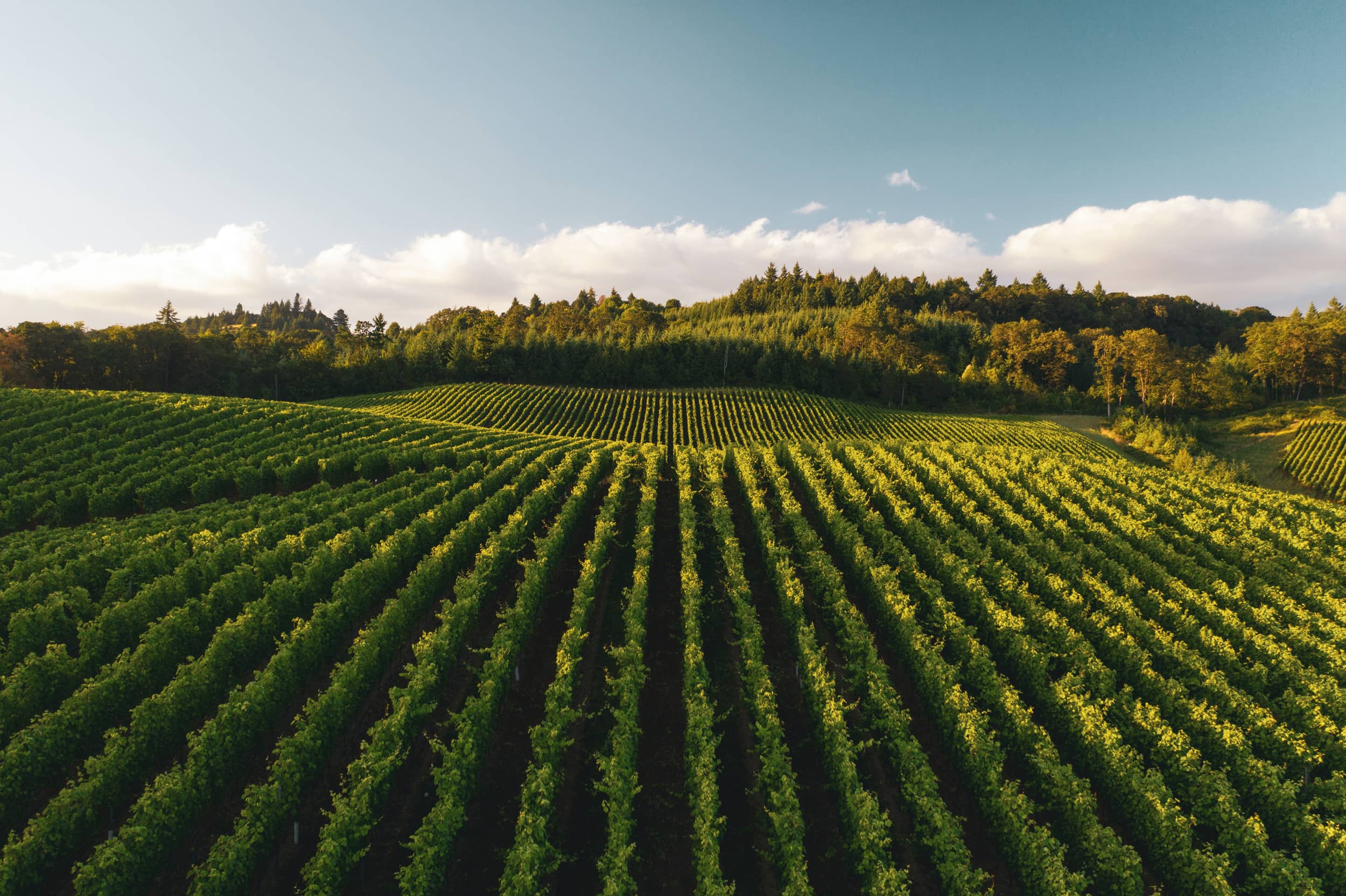
Agriculture and Food Security
Agriculture and Food Security represents the crucial link between sustainable agriculture and global food security, aiming to boost agricultural productivity, stabilise food supplies and reduce malnutrition.
Discover SolutionDriving Progress Together
Our collaborators harness the convening power of GEO to forge partnerships to create solutions with Earth Intelligence. We welcome opportunities to establish new relationships with governments, organisations, academia, civil society, the private sector and the public to harness the power of Earth Intelligence.