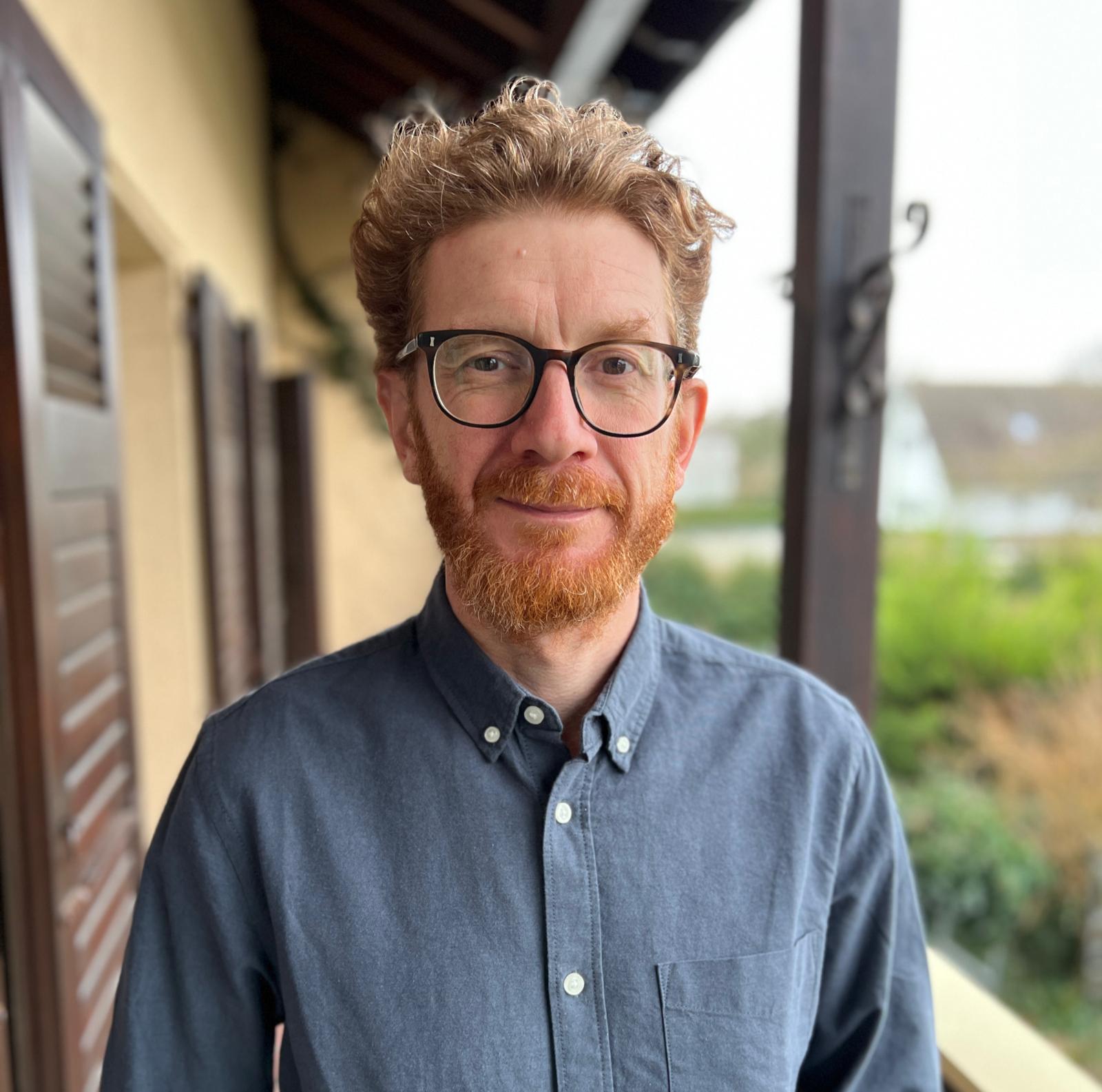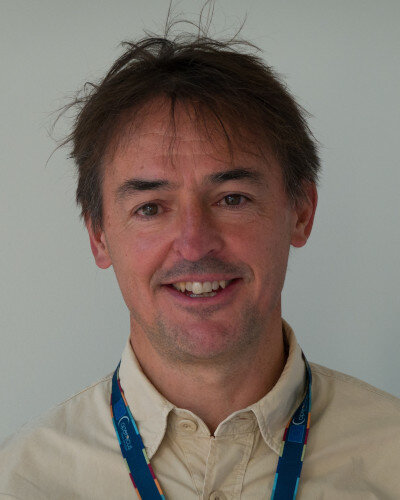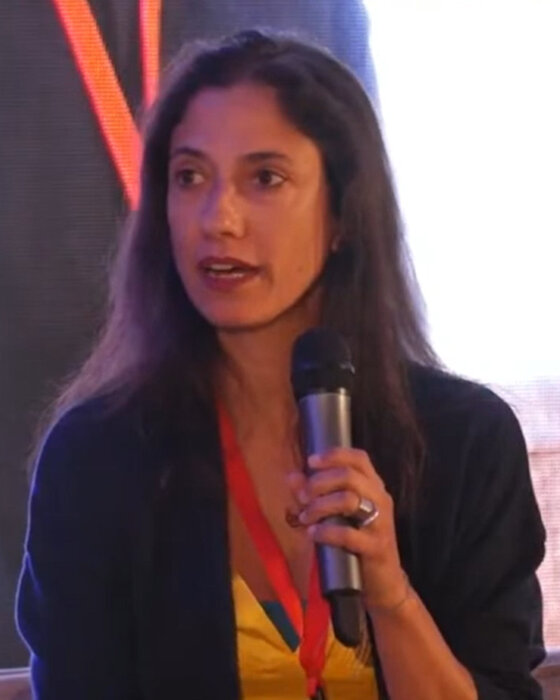
Speaker,NOA

The GEO community hosts a growing portfolio of urban-relevant activities: the Global Human Settlement Layer provides urbanisation baseline data; the Global Heat Resilience Service is piloting city-level decision support tools with C40 Cities; GEONICE is co-designing climate-energy tools with city administrations; the Urban Heritage Climate Observatory monitors climate risks to World Heritage cities; and the World Urban Planning Education Network is connecting Earth intelligence with spatial planning frameworks.
Yet the urban decision-makers these activities aim to serve - municipal planners, national policymakers, implementing agencies, and development banks - operate across all of these activities simultaneously. They face common challenges: fragmented data, tools not designed around their workflows, information arriving too late or at the wrong scale, and limited capacity to translate EO products into actionable decisions.
The Resilient Cities and Human Settlements Working Group was established to bridge this gap by systematically documenting urban stakeholder requirements and translating them into specifications the EO community can act on.
This session puts that mandate into practice. Using a common format structured around specific decision contexts, EO inputs, outcomes, and gaps, we present real use cases spanning city, national, policy, and investment scales. The session aims to surface recurring patterns and shared design requirements; draw out practical guidance on how data should be packaged, at what scales, with what timeliness, and through what channels; bring city practitioners, implementing agencies, and international policy bodies into the room to validate and challenge findings; and examine the investment and partnership models needed to translate EO evidence into bankable resilience projects.
The outputs will feed directly into the RCHS-WG stakeholder requirements documentation and into guidance for the Programme Board on designing urban EO activities for impact.
Segment 1 - Use Case Presentations: Supply-side presenters (EO community) paired with demand-side voices (decision-makers or users), following a structured template
Segment 2 - Synthesis Panel with Audience Participation (Moderators: Thomas Kemper and Martyn Clark; presenters)